
Berkshire Hathaway Is Sitting on $397 Billion in Cash
By the end of the first quarter, Berkshire Hathaway’s holdings of cash and short-term U.S. Treasury bills had reached a record $397 billion. The pile has been growing for several quarters, and judging by current market conditions, it may have become even larger in the second quarter.
The reason is straightforward: Berkshire is not finding enough attractive opportunities for major investments.
The U.S. stock market remains expensive. Even after a few modest pullbacks, the S&P 500 has gained around 2.5% since Berkshire last reported earnings. The higher share prices climb, the harder it becomes to find companies that meet the group’s strict standards for both business quality and valuation.
Berkshire’s sheer size creates another challenge. A small deal would barely affect its overall results. For an acquisition to make a meaningful difference, it would probably need to be worth tens of billions of dollars. There are few suitable targets of that size, especially at prices Berkshire’s management would consider reasonable.
That is why the record cash balance sometimes frustrates shareholders. Some investors would prefer to see more acquisitions or a larger share buyback programme. But at Berkshire, cash on the balance sheet is not a sign of inactivity. It is part of the strategy.
The company would rather wait than complete a deal simply because it has money available. Historically, that discipline has allowed Berkshire to act when other market participants urgently needed capital.
During the 2008 financial crisis, the group invested billions of dollars in Goldman Sachs and Bank of America on exceptionally favourable terms. Berkshire was able to make those deals not because it knew exactly when the crisis would arrive, but because it entered the downturn with an enormous liquidity reserve.
No one knows whether the next major market decline will come in a few months or several years. But market cycles have not disappeared: long periods of growth are eventually interrupted by corrections, and in moments of panic, available cash becomes especially valuable.
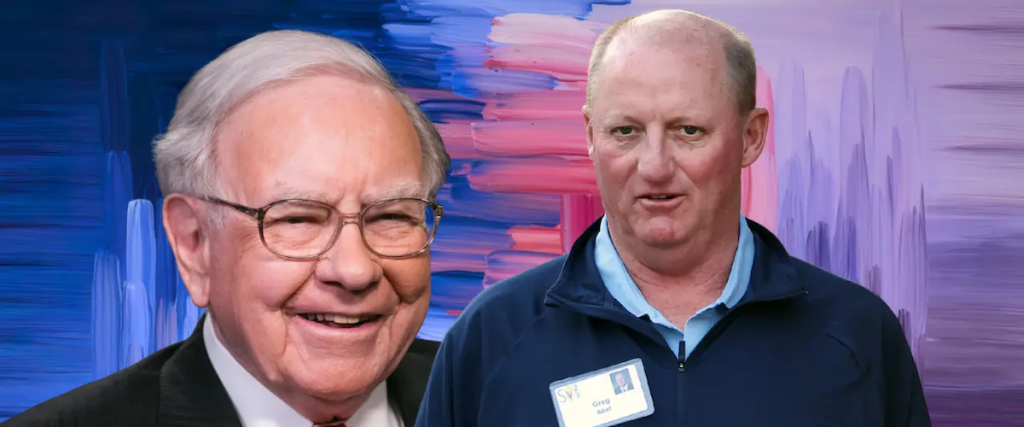
As Greg Abel leads Berkshire into its next chapter, he appears determined to preserve that approach. The company is unlikely to sacrifice discipline for the sake of rapid dealmaking or a more impressive quarterly report. Berkshire has always measured success over years and decades, not over a single quarter.
So Berkshire’s $397 billion is not money the company has “failed to deploy.” It is better viewed as a reserve for the moment when the market once again offers a rare opportunity to buy high-quality assets at attractive prices.
There may be few such opportunities today. But when they appear, Berkshire will have one of the largest pools of financial firepower in the world — and the ability to move faster than most of its competitors.
For long-term investors, that willingness to wait may prove to be one of Berkshire’s greatest advantages in the next investment cycle.